



 Facebook
 Instagram
 Twitter
 YouTube
 Houzz
Houzz Pinterest







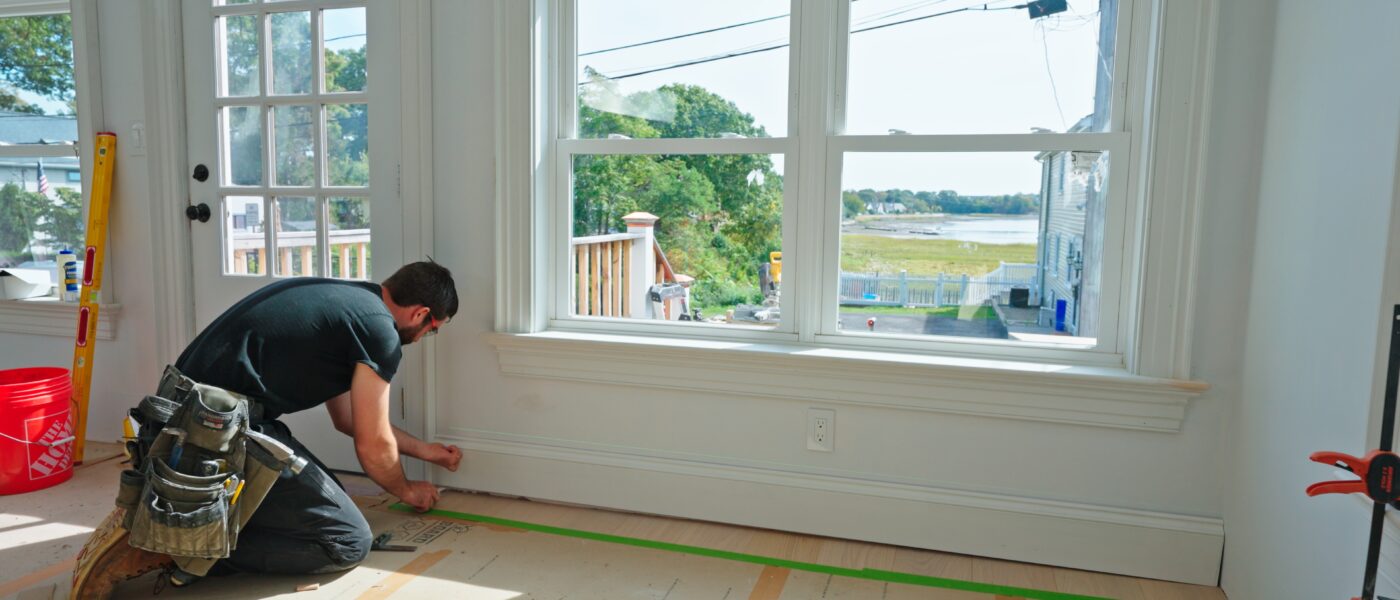
Old homes come with character—but they also come with challenges. Floors slope. Walls lean. Corners drift. And when it comes to installing base moulding, those imperfections show up fast if you don’t have the right approach.
In this project, a skilled finish carpenter Patrick Farrington (Boston, MA) demonstrates how to overcome those conditions using Kuiken Brothers KB222 poplar base moulding, transforming an uneven space into a clean, cohesive finished interior.
Start with the Right Material
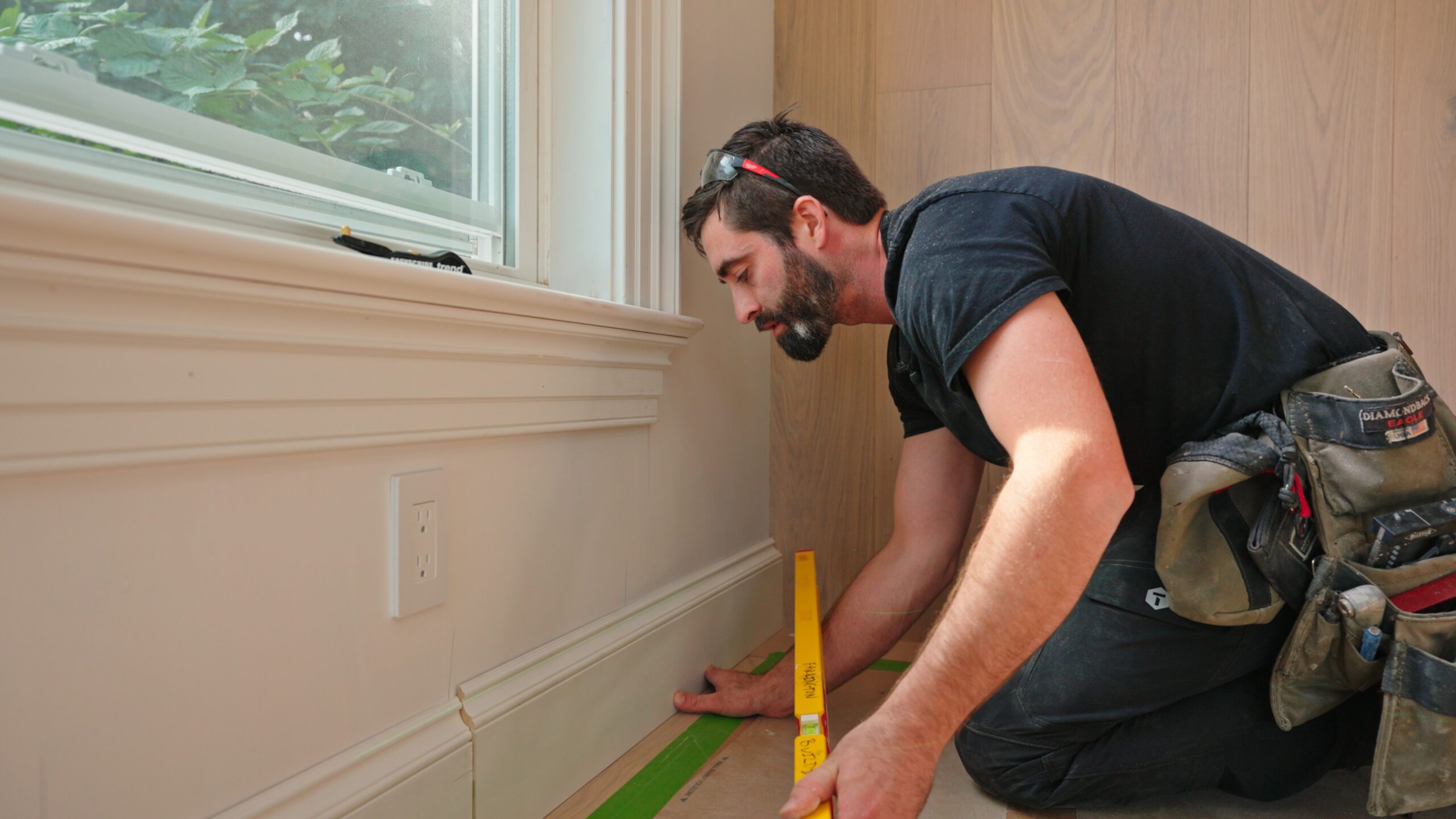
The foundation of a successful install begins with the material itself. The KB222 profile, milled from poplar, offers:
- Clean, crisp edges for precise cuts
- Stability for ripping and scribing
- A consistent profile that holds its shape during modifications
- Poplar allows for deeper, cleaner cuts compared to softer alternatives, which is critical when every adjustment needs to be exact.
Scribing to the Floor: Eliminating Gaps
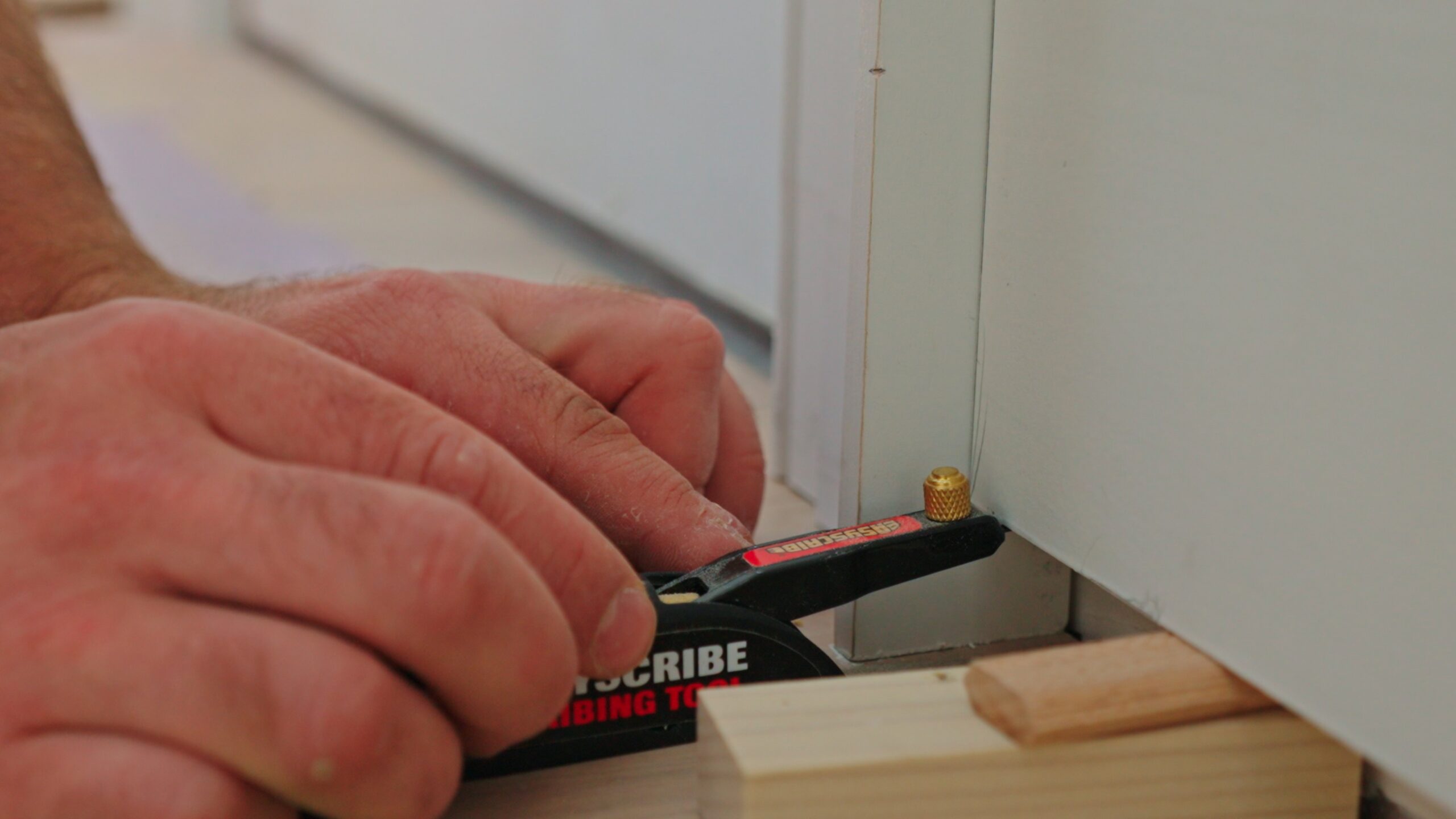
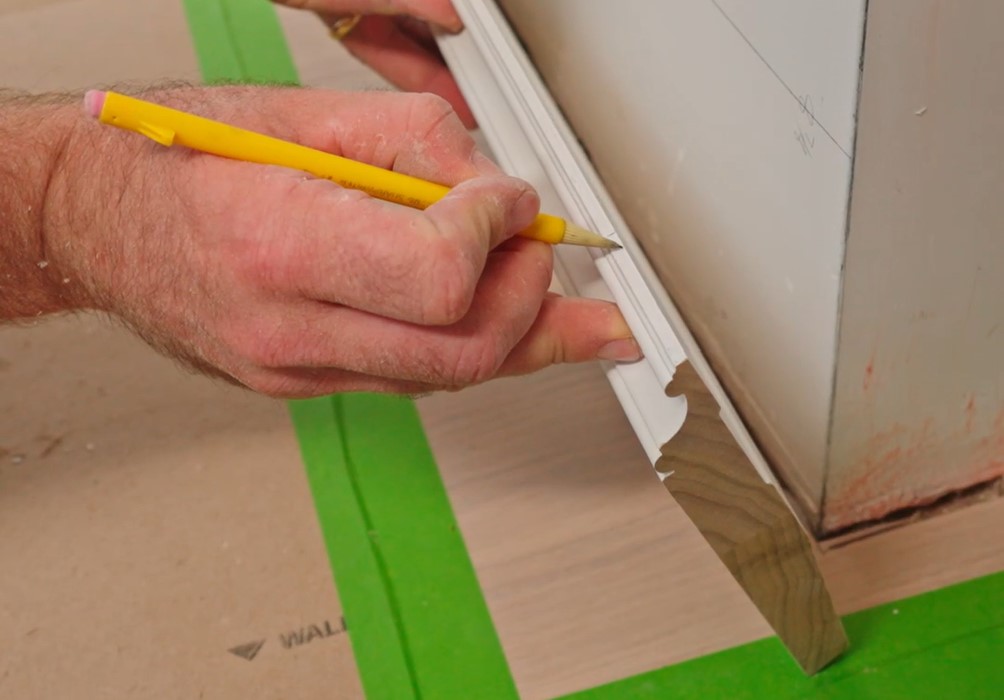
In older homes, floors are rarely flat. Instead of forcing the moulding to sit proud (and leaving visible gaps), the carpenter uses a sharp scribe to trace the exact contour of the floor onto the baseboard.
This line becomes the guide for material removal, ensuring the bottom edge of the moulding sits tight to the floor—no caulk crutches required.
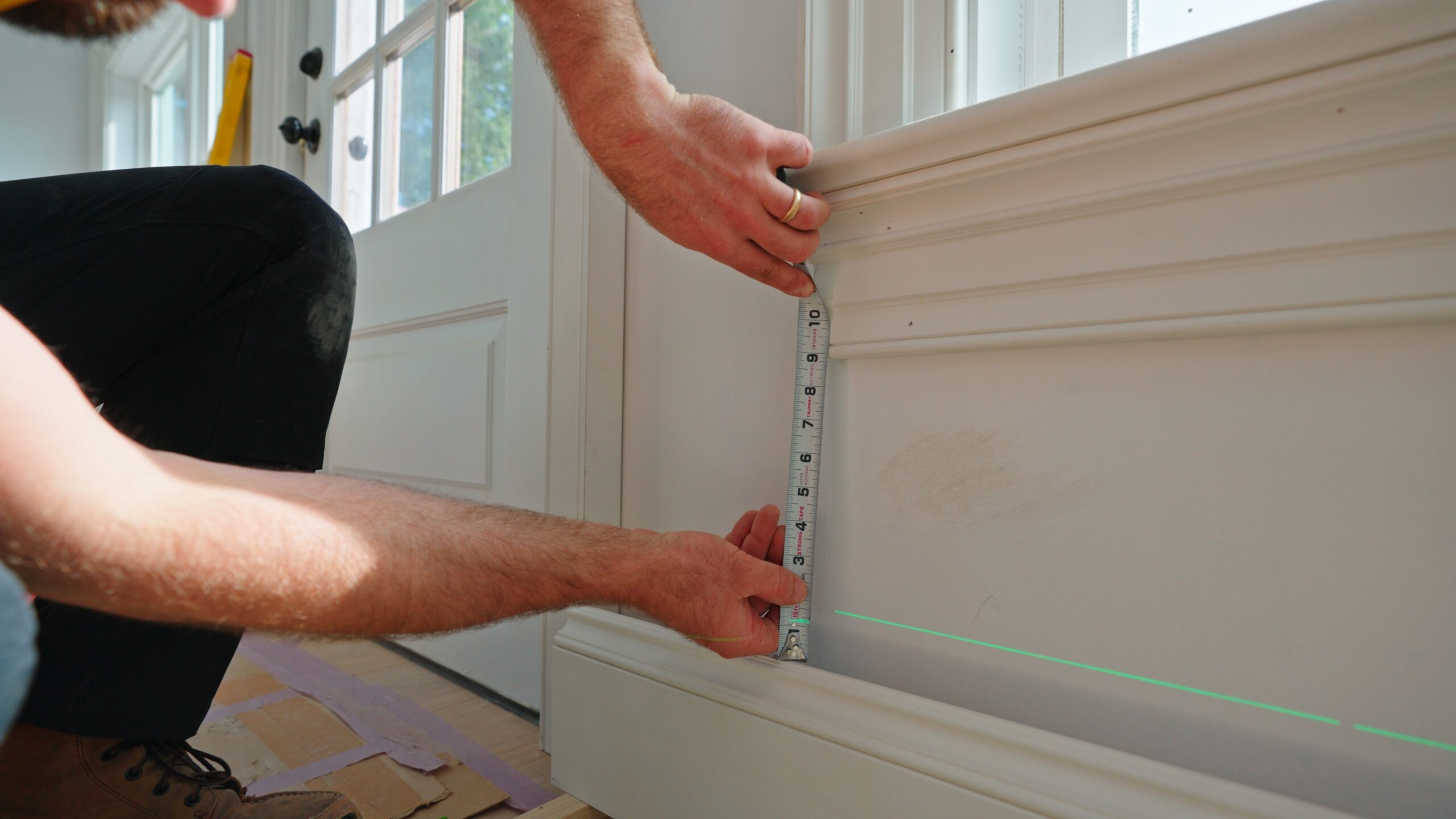
Ripping for a Level Top Line
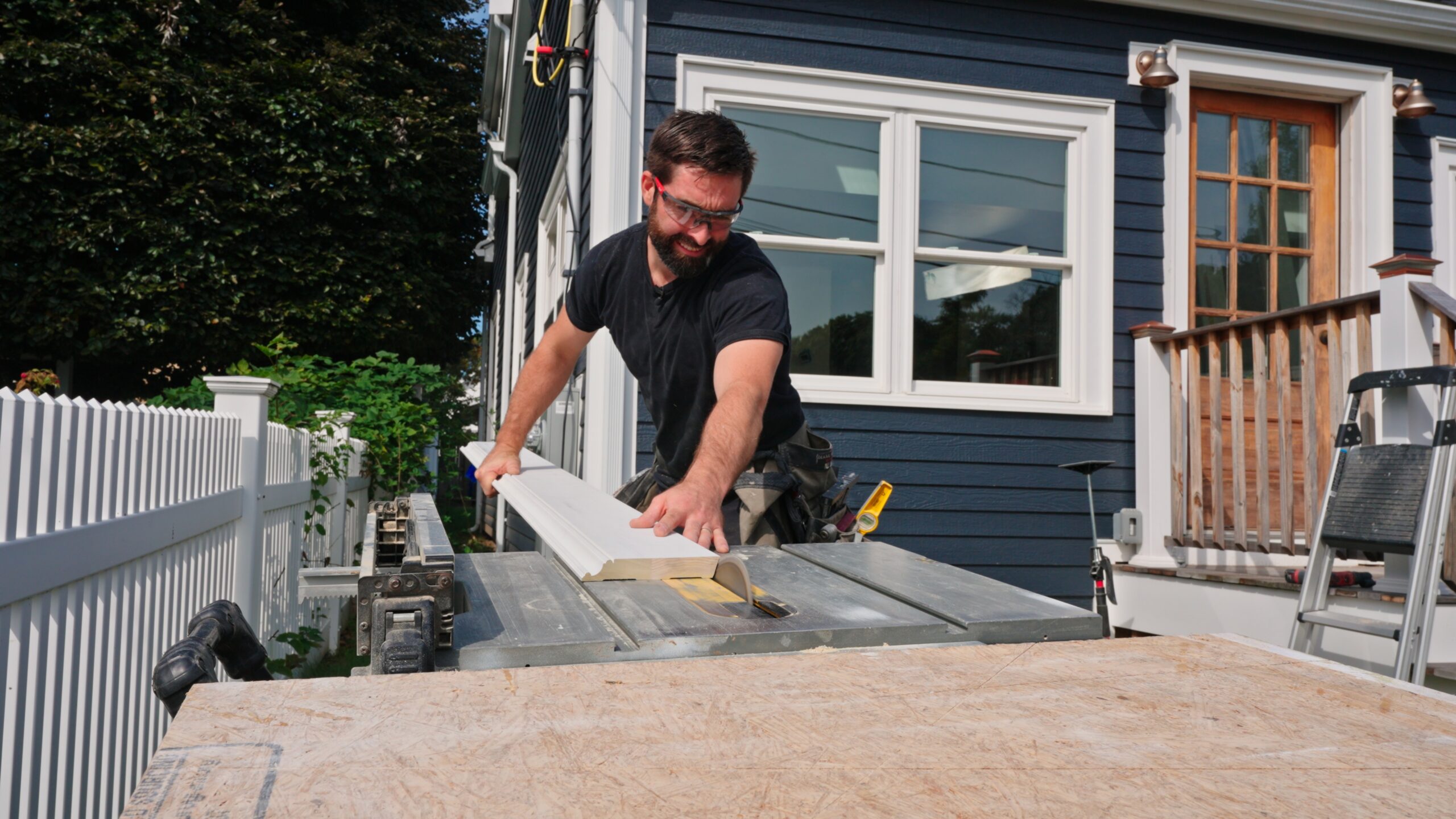
One of the biggest visual mistakes in baseboard installation is allowing the top line to follow an unlevel floor. The eye picks up on this immediately.
To solve this:
- The finish carpenter Patrick Farrington rips the baseboard on a table saw
- Adjusts the height incrementally along the run
- Maintains a perfectly level top edge, even when the floor varies
- This technique keeps the room feeling balanced and intentional.
Precision Cutting with the Right Tools
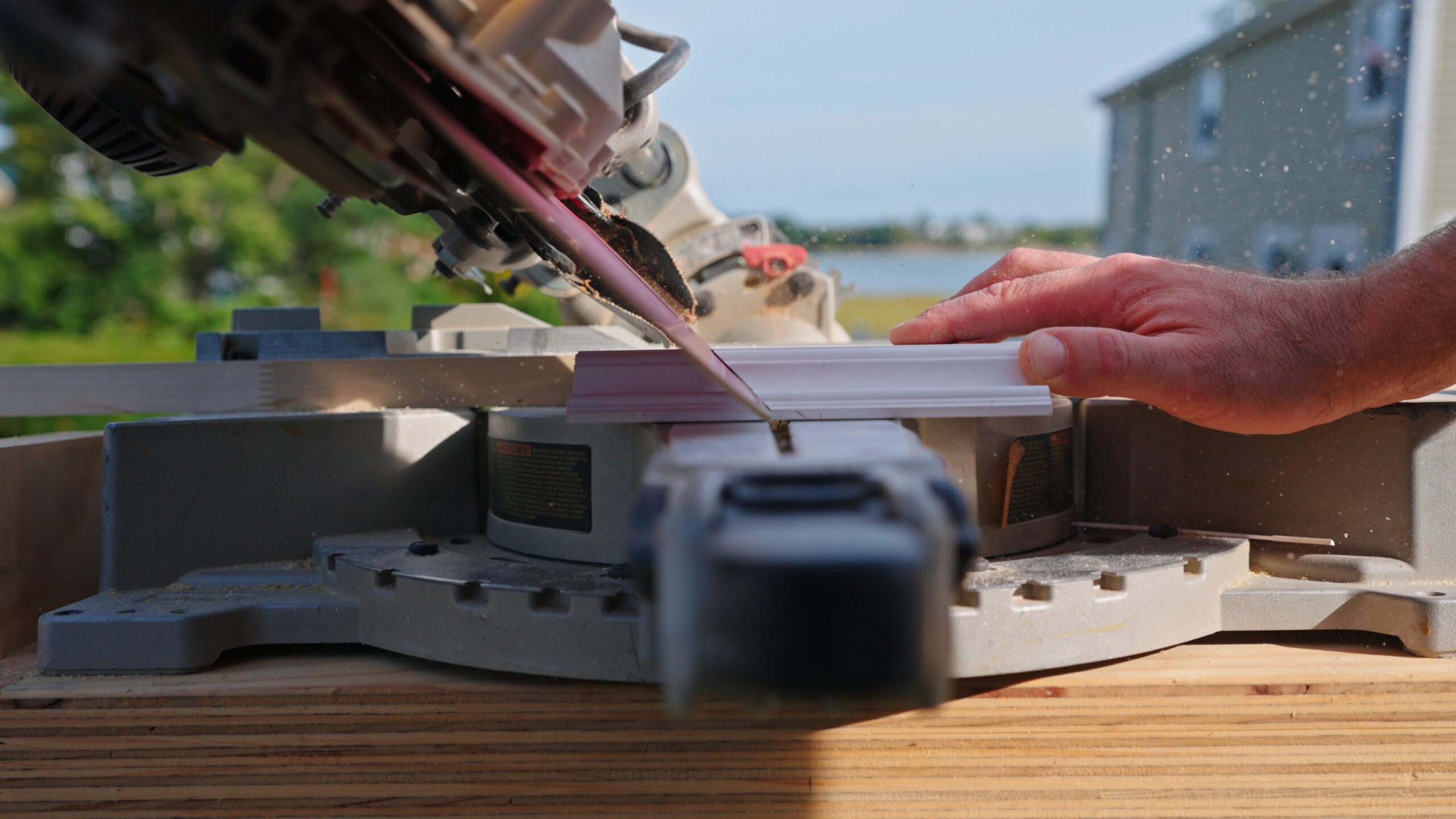
Every section of the install requires a slightly different approach:
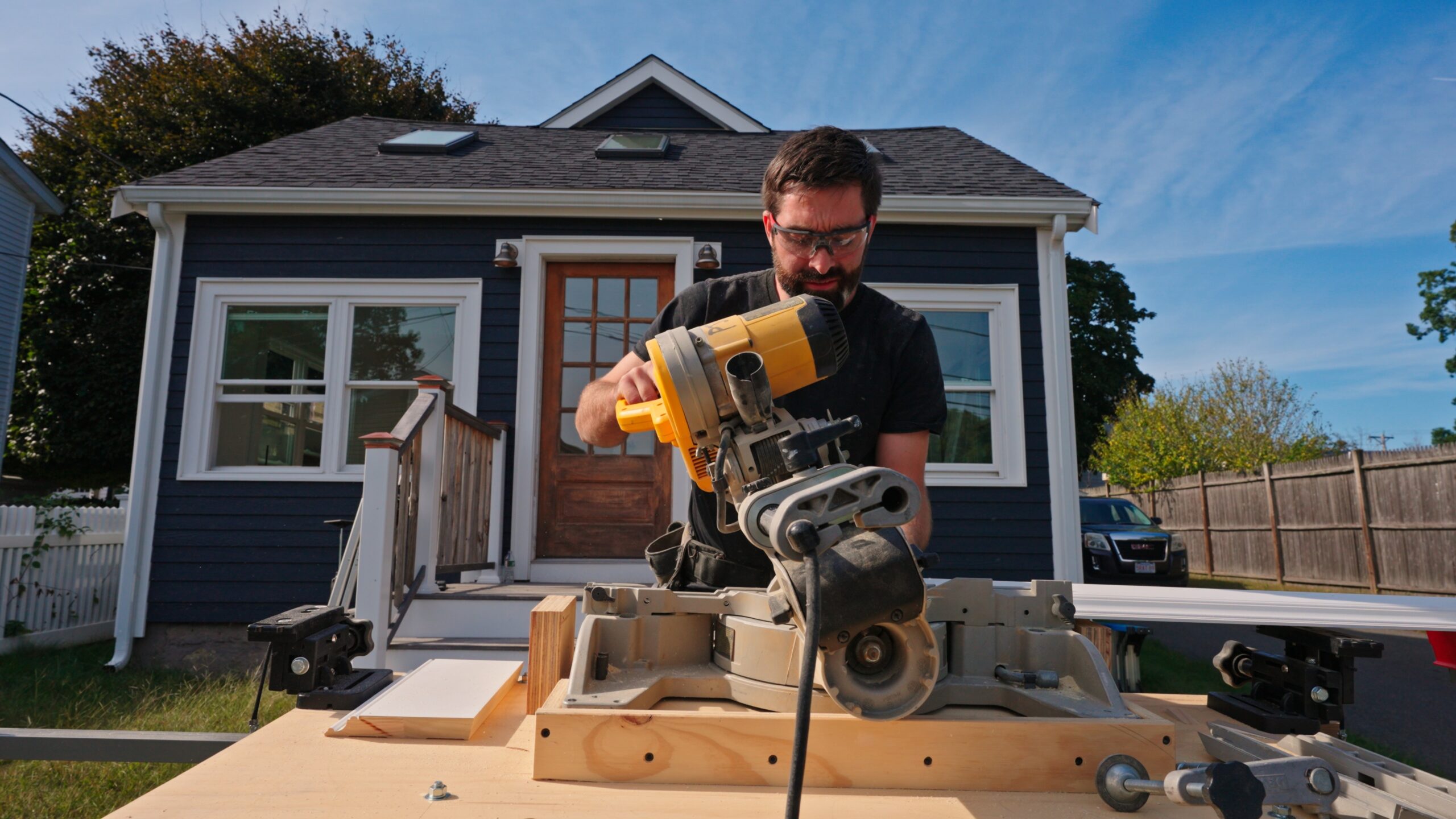
- Miter saw for clean, accurate angle cuts
- Jigsaw for irregular contours and detailed scribe cuts
- Table saw for consistent, controlled profile adjustments
- Each tool plays a role in adapting the moulding to the home—not the other way around.
- Tight Corners Define the Finish
Nothing elevates (or ruins) a baseboard install faster than the corners.
In this project:
- Inside corners are cut tight, minimizing the need for filler
- Outside corners are sharp and aligned, maintaining profile continuity
- These details are what separate a professional finish from a passable one.
The Takeaway
Perfect conditions don’t exist on real jobsites—especially in older homes. The difference is how you respond to them.
By combining:
- High-quality poplar moulding
- Proper scribing techniques
- Strategic ripping and fitting
- And precise corner work
This installation proves that even the most uneven spaces can deliver a clean, high-end result.
It’s not about forcing the material to fit the house—it’s about shaping the material so the finished product looks like it was always meant to be there.
High-End Results, National Accessibility
Perhaps the most important message of this project is accessibility. The moulding profiles used in the video are not specialty items reserved for one-off custom jobs—they are stock profiles that can be specified and shipped directly to job sites anywhere in the United States.
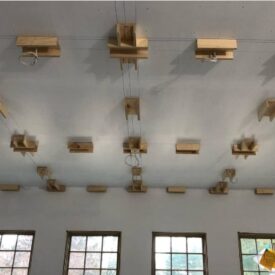
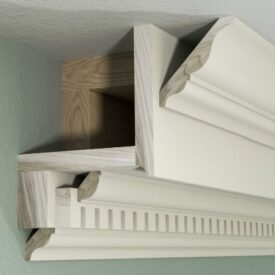
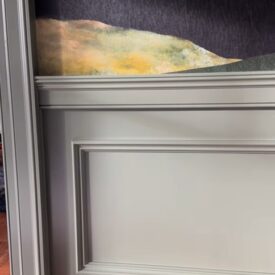
That means builders, remodelers, and designers don’t need to compromise on design due to geography, availability, or logistics. The same classical profiles used in this ceiling detail can be delivered directly to your project location, whether you’re working on a custom home, a renovation, or a historically inspired interior.
The Stock Profiles To Enhance Your Project
Design Inspiration Beyond the Video
This ceiling is just one example of how classical moulding profiles can be used in fresh, practical ways. For additional coffered ceiling layouts, panel configurations, and classical trim inspiration, explore the Kuiken Brothers Moulding Design Guide.
How Kuiken Brothers Classical Moulding Collection Can Help
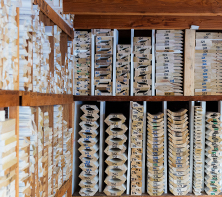
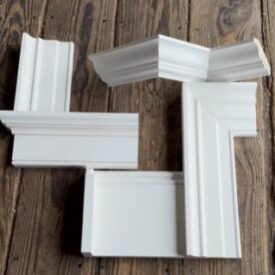
Kuiken Brothers has a tremendous in-stock and ready to ship collection that can quickly transform your project into one with character and Classical style. Our very own Classical Moulding Collection was launched in 2010 with the help of nationally recognized historic moulding & millwork expert, Brent Hull, Hull Millwork/ Hull Homes.
- Historically accurate profiles curated from classical American architecture
- Consistent, high-quality poplar for superior paint-grade applications
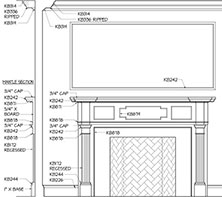
- Ease of specification with our digital Moulding Design Guide and CAD files. Plus we ship jobsite direct, nationwide so if you are an architect or designer with projects around the country, you can rest assure that your designs will be accessible to your clients.
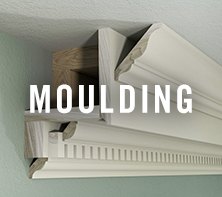
Kuiken Brothers’ profiles are categorized by architectural style (Early American, Georgian, Federal, Greek Revival, Colonial Revival, and Traditional Revival) to show which crown, casing and base mouldings go together. In the past, coordinating design elements was difficult and time-consuming and many of these profiles were available only through custom production runs. Kuiken Brothers offers free moulding samples so potential buyers can match them to existing mouldings or see how they will actually look before installation. CAD files are offered on-line for architects and designers to incorporate detail to their blueprints.
To learn more or request a free catalog, visit www.kuikenbrothers.com/classical or call (201) 705-5375. We look forward to working with you on your next project!





 Kuiken Brothers